Range and passenger count are the two filters every charter inquiry starts with, and they’re necessary but not sufficient. A handful of less-obvious factors are where a mismatched aircraft actually causes problems mid-trip, and they’re the first things our advisors check before confirming a recommendation.
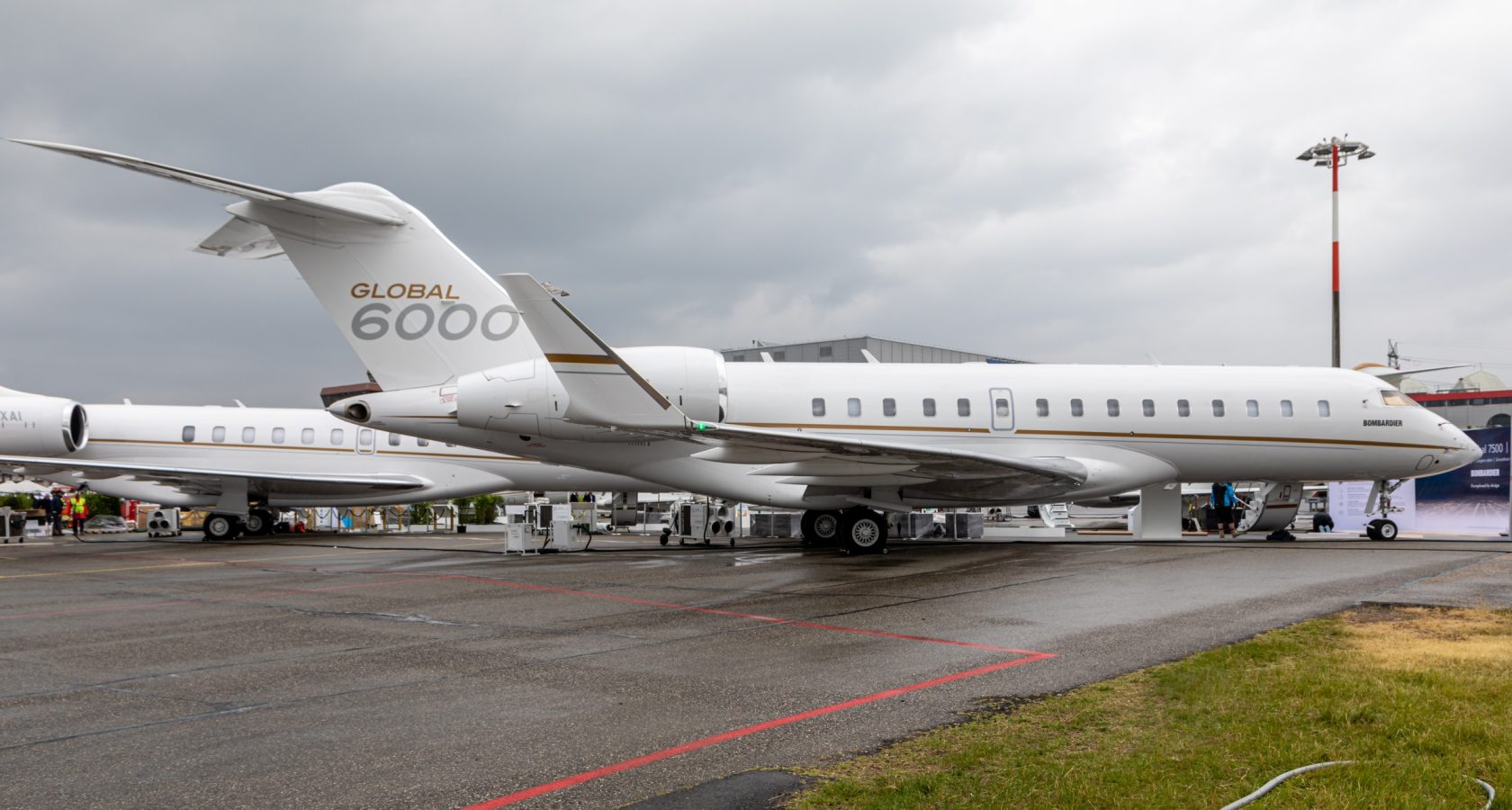
Runway length and surface at both ends of the trip matter more than most flyers expect — a light jet’s shorter field performance opens up regional airports a super-midsize aircraft simply can’t use safely, which is sometimes the deciding factor even when range would suggest a larger cabin. Cabin altitude — how much the cabin is pressurized relative to true altitude — affects fatigue on longer legs disproportionately; it’s a real reason we default longer international routings toward aircraft like the G280 or Global 6000 with lower cabin altitudes at cruise, even when a shorter-range aircraft could technically make the distance with a fuel stop.
Baggage is the detail that derails more trips than people expect: a ski trip or a golf outing for six passengers can exceed a light jet’s baggage hold well before it exceeds the passenger count, which is exactly the kind of mismatch our advisors check for during the aircraft-match step, not after bags are already at the FBO.